




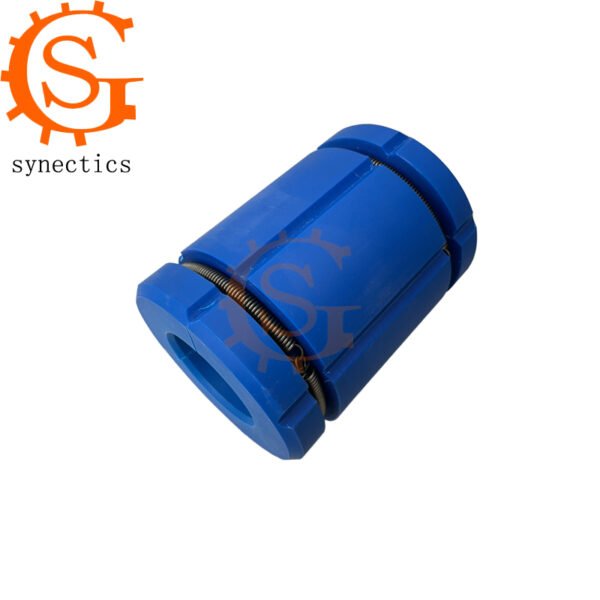

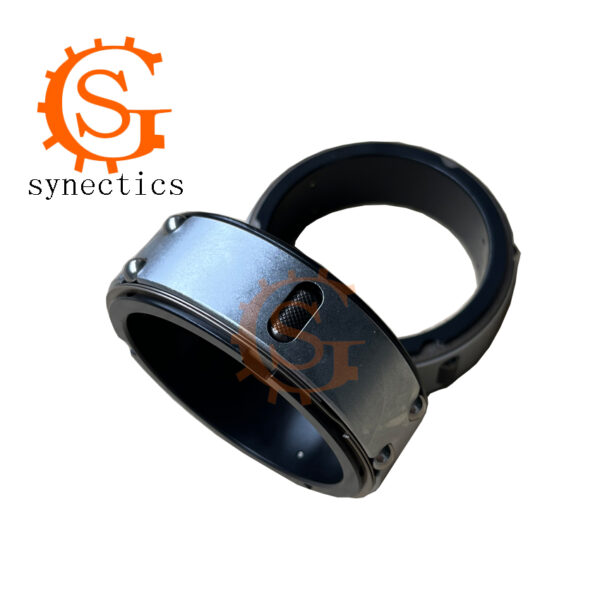
Flat air bag is a core pneumatic component of air shafts (air expanding shafts), responsible for generating uniform expansion force via inflation to grip paper/film cores and enable winding/unwinding. Below is a detailed introduction covering material, specifications, durability, and main features.
1. Materials:
Material selection directly determines pressure resistance, temperature tolerance, and service life. Three main types are available for different working conditions:
Polyurethane (PU, Recommended)- Properties: 2–3× higher abrasion resistance than rubber, excellent tear strength, moderate oil/corrosion resistance, high flexibility, and elongation at break.
Temperature Range: -25°C to 100°C.
2. Standard Specifications
Customizable dimensions to match diverse air shaft models (3-inch/6-inch shafts common):
Width: 15 mm, 20 mm, 25 mm (customizable).
Wall Thickness: 1.0 mm, 1.2 mm, 1.5 mm.
Length: 500 mm to 3,000 mm (custom per effective air shaft length).
Working Pressure: 0.3–1.0 MPa (3–10 kg/cm²; standard: 0.5–0.8 MPa).
Color: White/transparent (PU), black (rubber).
3. Main Features & Applications
Features: Fast inflation/deflation, uniform expansion, no core damage, easy installation/replacement.
Applications: Widely used in paper, plastic film, fabric, metal foil, and printing/packaging industries for slitting, winding, and unwinding processes.
4. Maintenance Tips for Longer Life
Avoid overpressure (strictly follow 0.5–0.8 MPa working pressure).
Keep the bladder clean and free of sharp objects to prevent punctures.
Release pressure when not in use to reduce material fatigue.
In summary, the PU flat air bag is the most cost-effective choice for most industrial scenarios, balancing durability, performance, and price. For extreme high-temperature or anti-static needs, silicone composite bladders are recommended.

No comment